One VIN, one evidence file
Keep the title, mileage, seller, history, recall, warranty, inspection, and test-drive evidence together instead of relying on memory.
 Upgrade 1 of 2
A listing, a test drive, and one history report can still leave important questions unanswered. The Used Car Investigation System gives you a disciplined way to examine the exact VIN, reconcile conflicting evidence, direct an inspection, and decide what would make you proceed, renegotiate, call a specialist, or stop.
You already have the complete Car Buyer Advantage System. This upgrade goes deeper only where a used vehicle creates extra uncertainty.
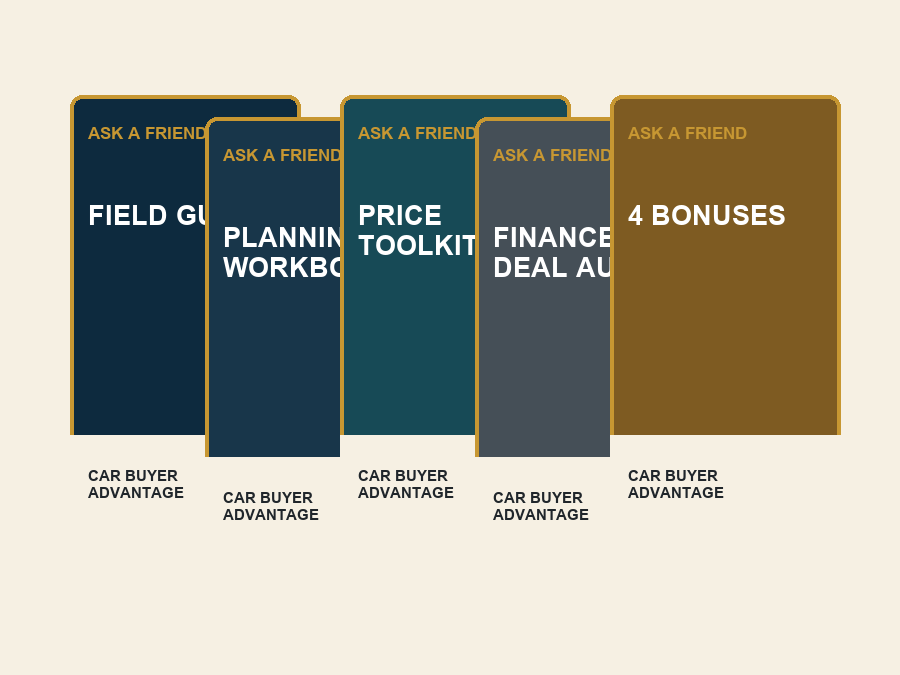
A vehicle-history report may contain useful entries, but it cannot confirm every repair, current mechanical condition, clear title transfer, specialist inspection need, or future failure. The decision gets stronger when the records, physical car, scan data, test drive, seller documents, and repair estimates tell a consistent story.
Keep the title, mileage, seller, history, recall, warranty, inspection, and test-drive evidence together instead of relying on memory.
Do not let a blank report field quietly become a favorable assumption. Record what could not be verified and what it could cost.
Turn mileage, ownership, accident, maintenance, or inspection conflicts into a written follow-up, price adjustment, specialist review, or stop condition.
Seller authority, unresolved liens, brand wording, title delays, and odometer records can affect whether the vehicle can be transferred cleanly.
Accident, auction, service, mileage, or owner entries may conflict with the seller's explanation or the physical vehicle.
A basic inspection may not cover high-voltage systems, diesels, modifications, diagnostic scanning, structural clues, or driver-assistance calibration.
A list of findings is not enough. You need cost estimates, timing, safety priority, unresolved uncertainty, and a clear effect on the offer.
Shows the evidence sequence so you investigate in the right order and do not pay for deep inspection before basic identity and title questions are clear.
Explains what to verify across seller authority, title, history, recalls, maintenance, inspection, and conflicting evidence.
Keeps each source separate so agreement, omissions, and conflicts remain visible instead of blending into one impression.
Helps you brief the inspector, confirm scope, capture excluded items, document the road test, and turn findings into estimates.
Combines evidence strength, consequence, repair cost, and override concerns into a proceed, renegotiate, specialist-review, or stop decision.
This is especially useful when the car is older, modified, high-mileage, remotely purchased, sold privately, or dependent on specialized systems.
Good—use it as one source. The system helps you compare it with title, seller, service, recall, inspection, scan, and physical evidence.
The toolkit helps you define scope, flag specialized systems, record what was excluded, and convert findings into a buying decision.
Return terms, mileage limits, deductions, logistics, and loan unwind details vary. A return policy does not remove the need to investigate before committing.
The Used Car Investigation System is a personal-use digital download containing five branded PDFs. It is general consumer education, not a guarantee of condition or a substitute for a qualified inspection, title service, or legal advice.
Preview status: the approved one-click acceptance value is still required.